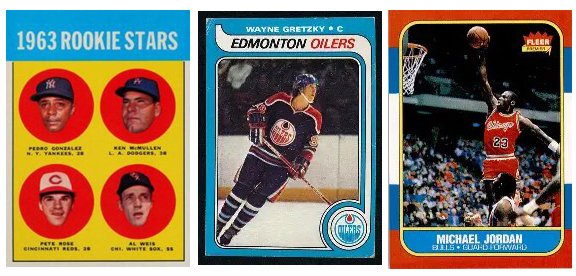
The rookie card, a hallowed piece of cardboard and a cornerstone of any serious sports card collection, holds a mystique unlike any other. For collectors, it’s often the holy grail, the most sought-after and valuable card for an individual player. But why is this the case? What factors coalesce to elevate the rookie card above all others, making it a powerful investment and a cherished collectible? This comprehensive blog post will delve into the multifaceted reasons behind the enduring value of rookie cards, exploring the psychology, market dynamics, and historical significance that make them so special.
The Genesis of Greatness: Capturing Potential and Promise
At its core, the allure of the rookie card lies in its ability to capture a player at the very beginning of their professional journey. It’s a snapshot of potential, a tangible representation of the dreams and aspirations that accompany a young athlete into the big leagues.
- The “First” Factor: Human beings are inherently drawn to “firsts”. The first step, the first word, the first love – these moments hold a special place in our memories. In the world of sports cards, the rookie card embodies this sentiment. It’s the first widely distributed card featuring a player in their professional uniform, often before they’ve even had a chance to prove themselves. This “first” status imbues it with an undeniable historical significance.
- Anticipation and Hope: Before a player achieves superstar status, their rookie card embodies the collective hope and anticipation of fans and collectors alike. There’s an exciting gamble involved – investing in a player’s rookie card is a bet on their future success. This inherent risk, combined with the potential for monumental returns, creates a thrilling dynamic that no other card can replicate. When that potential is realized, the card’s value skyrockets, fueled by the player’s on-field achievements.
- The “Origin Story”: Every legendary athlete has an origin story. The rookie card is often the first chapter in that narrative within the collecting world. It allows collectors to feel a deeper connection to the player’s journey, remembering when they were just a promising rookie before becoming a household name.
Scarcity and Rarity: The Cornerstones of Value
While the emotional appeal of rookie cards is significant, their value is also firmly rooted in fundamental economic principles, particularly scarcity and rarity.
- Production Runs and Set Sizes: Historically, rookie cards often appeared in sets with smaller production runs compared to later releases. This was especially true in the earlier eras of card collecting. As the hobby grew and print runs increased, the scarcity of truly vintage rookie cards became even more pronounced. Even in modern collecting, while overall print runs can be high, specific parallels, refractors, and autographed rookie cards are intentionally produced in extremely limited quantities.
- Condition Sensitivity: The older a card, the more difficult it is to find in pristine condition. Rookie cards, being among the earliest releases for a player, have been subjected to decades of handling, storage, and wear and tear. A Gem Mint (PSA 10) rookie card from a popular player in the 1980s or earlier can command exponentially higher prices than an ungraded or lower-grade example due to this inherent condition sensitivity. The population reports of grading companies like PSA and BGS vividly illustrate the scarcity of high-grade rookie cards.
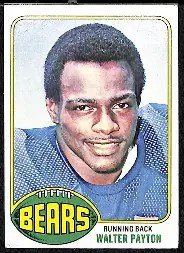
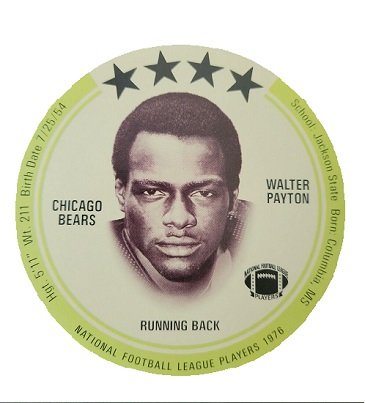
- The “True Rookie Card” Debate: In some cases, a player might have several cards released in their “rookie year” across different sets (e.g., minor league cards, prospect cards, international releases). However, the hobby generally recognizes a specific “true rookie card”. Often the first mainstream release featuring the player in their professional uniform with a major card company. This creates a focal point for collectors, further concentrating demand on a single, definitive card and enhancing its perceived scarcity.
The Power of Performance: A Direct Correlation
While a rookie card holds intrinsic value due to its “first” status, its ultimate market price is inextricably linked to the player’s career performance.
- Superstar Status: When a player lives up to their early promise and achieves superstar status, winning championships, MVP awards, breaking records, and earning Hall of Fame recognition. The value of their rookie card skyrockets. It becomes a tangible asset reflecting their greatness. Consider the rookie cards of Michael Jordan, Tom Brady, Wayne Gretzky, or Mickey Mantle. Their unparalleled careers have solidified their rookie cards as some of the most expensive and sought-after collectibles in history.
- The “Hall of Fame Bump”: Induction into a sport’s Hall of Fame often provides a significant boost to a player’s rookie card value. It’s the ultimate validation of their career, cementing their legacy and creating renewed interest from collectors and investors alike.
- Momentum and Hype: Even before Hall of Fame consideration, a player’s performance during their career directly influences demand for their rookie card. A hot streak, a playoff run, or a record-breaking season can generate immense hype. Driving up prices as collectors scramble to acquire the foundational card of a player at the peak of their powers.
Investment Potential: A Tangible Asset
Beyond the passion of collecting, rookie cards have increasingly become viewed as legitimate investment vehicles.
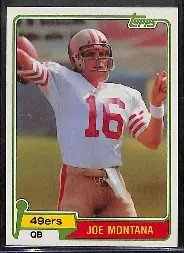
- .Historical Performance: The track record of appreciation for iconic rookie cards is undeniable. Many have outperformed traditional financial markets over long periods. This historical performance attracts investors looking for alternative assets with strong growth potential.
- Market Liquidity: For popular players, there is a robust and liquid market for their rookie cards. This means they can be bought and sold relatively easily through various platforms. Including online marketplaces and auction houses to local card shows.
- Tangible Asset: Unlike stocks or bonds, a sports card is a physical, tangible asset. For many collectors and investors, there’s an inherent satisfaction in owning a physical piece of history. Something they can hold and appreciate.
- Diversification: For savvy investors, sports cards, particularly high-value rookie cards, offer an opportunity to diversify their portfolios beyond traditional assets.
Nostalgia and Emotional Connection: The Heart of the Hobby
While economics and performance drive much of the value, the emotional connection to rookie cards is perhaps the most profound.
- Reliving Memories: For many collectors, particularly those who grew up watching a player. Their rookie card evokes powerful feelings of nostalgia. It takes them back to a time when they first discovered the player, watched them dominate, or celebrated their victories. This emotional resonance makes the card priceless in a personal sense.
- The Thrill of the Chase: The pursuit of a coveted rookie card is a significant part of the hobby’s appeal. The research, the searching, the negotiation – all contribute to the satisfaction of finally adding that special card to one’s collection.
- Community and Sharing: Rookie cards are often conversation starters, shared among collectors, friends, and family. They foster a sense of community and connection, allowing individuals to bond over shared passions and memories.