The Rise and Fall of eTopps: A Cautionary Tale in the Sports Card World
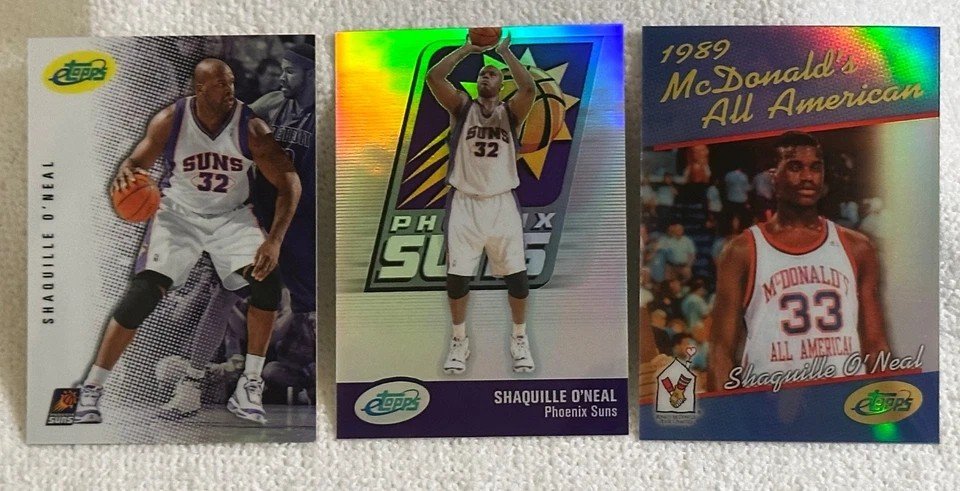
The late 1990s and early 2000s were a fascinating time for the sports card hobby. The internet was still a burgeoning force. Companies were scrambling to find new ways to connect with collectors. They were also trying to expand their reach. Amidst this backdrop, a revolutionary concept emerged from the venerable Topps Company: eTopps. Billed as the future of sports card collecting, eTopps promised a seamless, digital experience. It also offered the tangibility of physical cards. For a brief, exhilarating period, it looked like they had cracked the code. But like many ambitious ventures in the dot-com era, eTopps was brilliant for a moment. Then it ultimately proved to be a shooting star that faded into the night.
The Dawn of Digital Collecting: A Vision for the Future
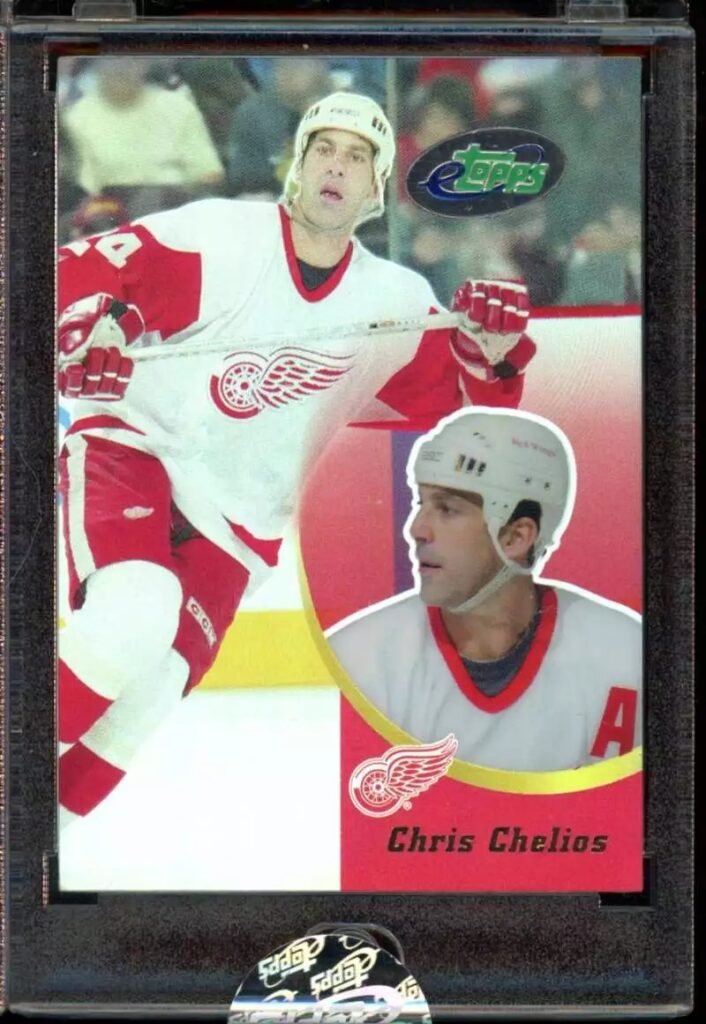
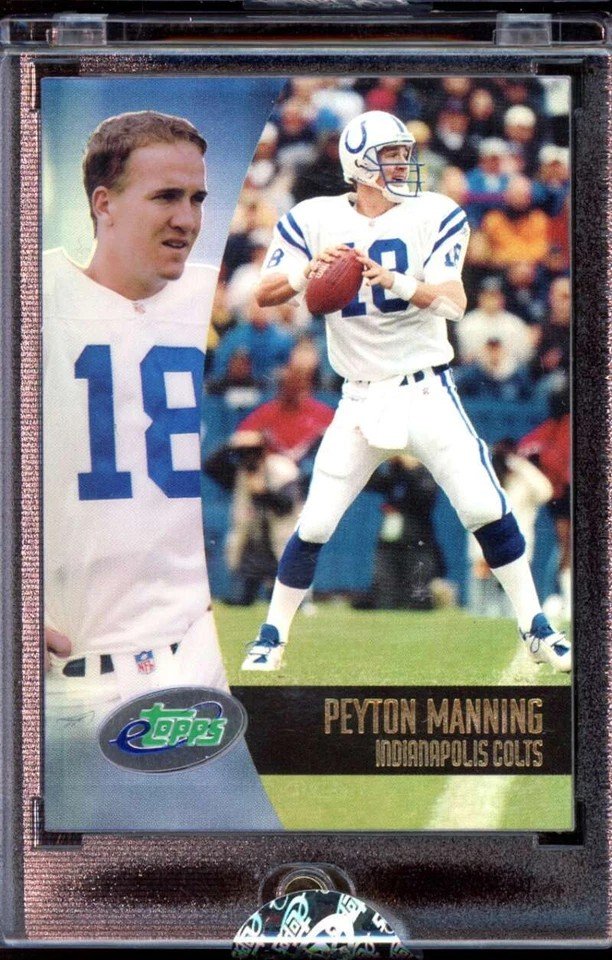
Launched in 2000, eTopps was a groundbreaking initiative. The core idea was simple yet brilliant: collectors would buy “digital” cards online. These cards were essentially virtual representations of physical cards that Topps held in a secure, climate-controlled vault. When you bought an eTopps card, you owned a fractional interest in a real card. It was serialized and never actually touched by human hands. This changed once you decided to “redeem” it.
The advantages were instantly clear. For starters, it eliminated the need for physical storage and protection. No more binders, top loaders, or expensive graded card cases. Your collection lived online, accessible from anywhere with an internet connection. This was a massive draw for collectors who were tired of managing ever-growing physical inventories.
Furthermore, eTopps offered a level of transparency and authenticity that was difficult to replicate in the traditional market. Each card had a unique serial number, and Topps guaranteed its authenticity and condition. The buying and selling process was also incredibly streamlined. Collectors traded and sold their digital cards on the eTopps marketplace, fully equipped with real-time pricing data. This created a dynamic, liquid market that felt truly modern.
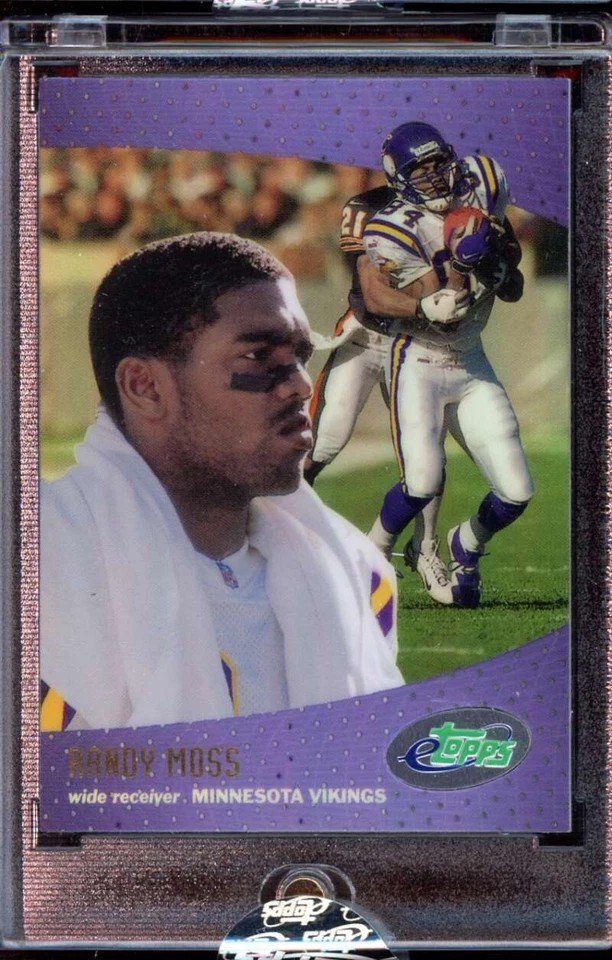
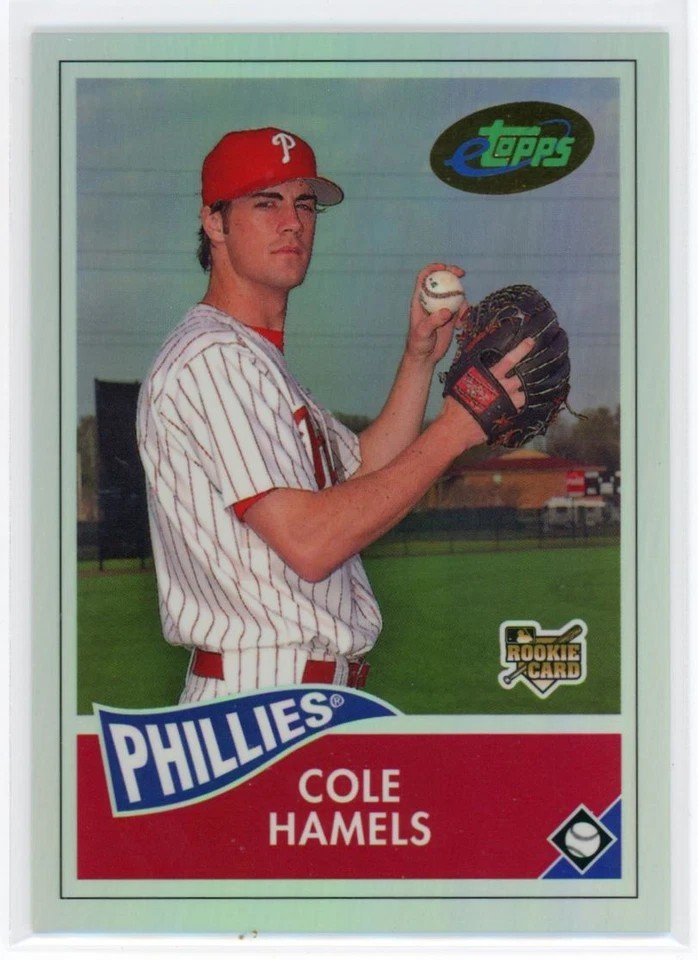
Topps also leveraged its strong licensing agreements to great effect. They released sets featuring all the major sports – baseball, basketball, football, and hockey. The sets had a particular emphasis on popular rookies and stars. The production runs were limited, mimicking the scarcity that drives value in the physical card market. Early releases saw significant demand, with some cards selling out in minutes. Collectors flocked to the platform, eager to embrace what felt like the next evolution of the hobby.
The Golden Age: Innovation and Excitement
The early years of eTopps were marked by innovation and a palpable sense of excitement. Topps introduced various features to enhance the collector experience. They had “redemption cards” where you can exchange multiple lower-value digital cards for a higher-value physical one. They offered “vault sales.” Unsold cards from earlier releases were made available. This created a secondary market within the platform itself.
The community aspect was also strong. Online forums buzzed with discussions about new releases, trading strategies, and the overall future of the hobby. For many, eTopps wasn’t just a place to buy cards. It was a vibrant ecosystem. People engage with like-minded individuals there.
The first promise of a liquid secondary market was largely realized. Prices for popular cards often fluctuated based on player performance and market sentiment, just like in the physical world. This dynamic nature added another layer of engagement for collectors. They actively manage their portfolios. They also try to capitalize on market trends.
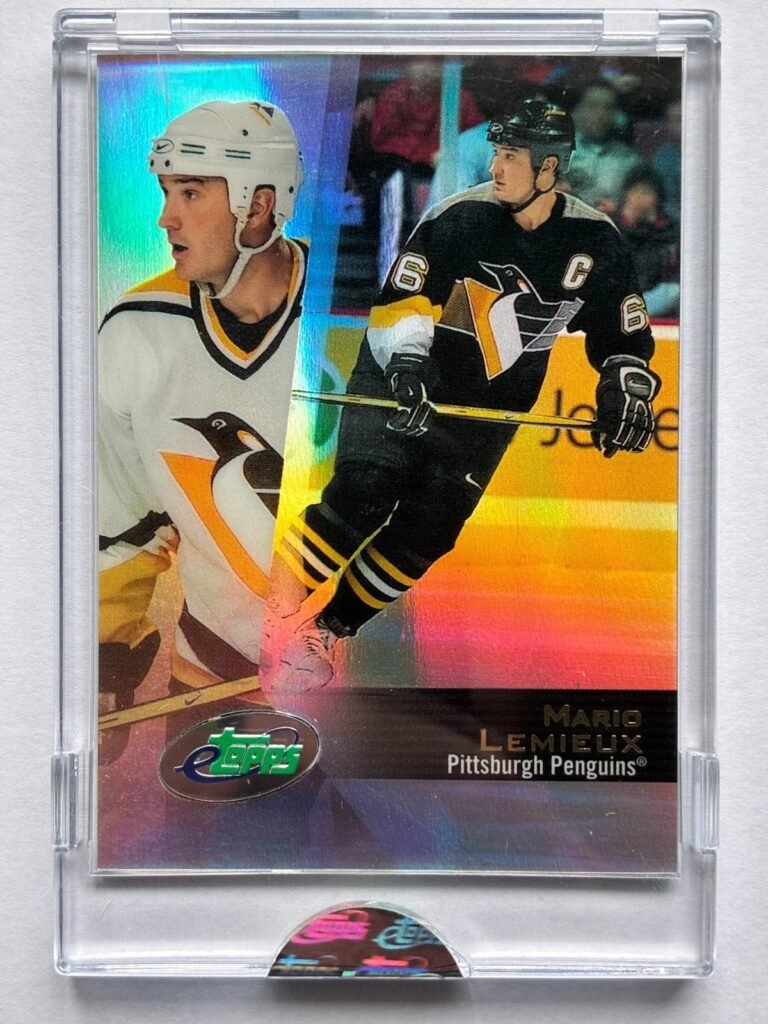
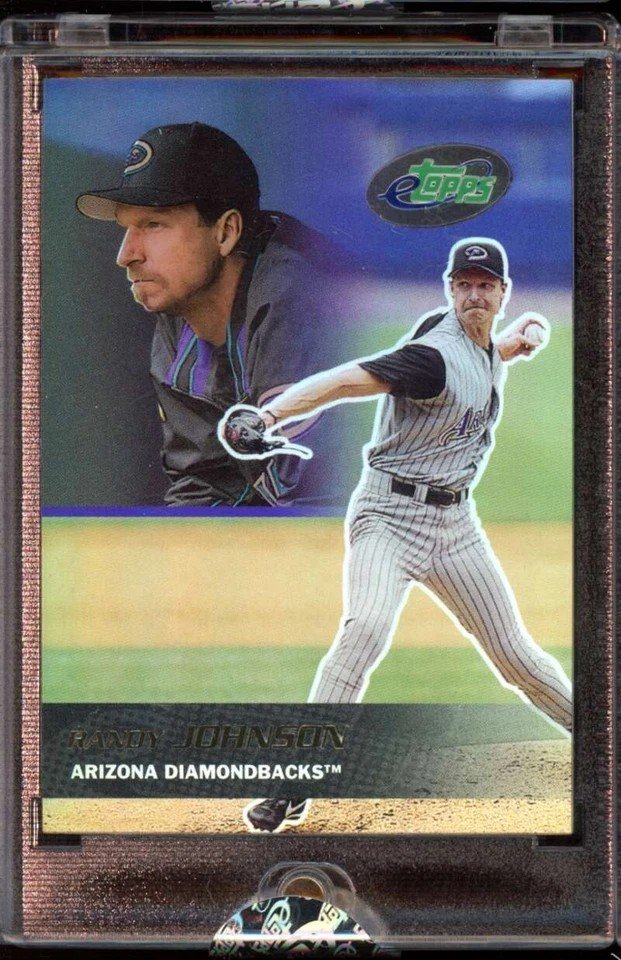
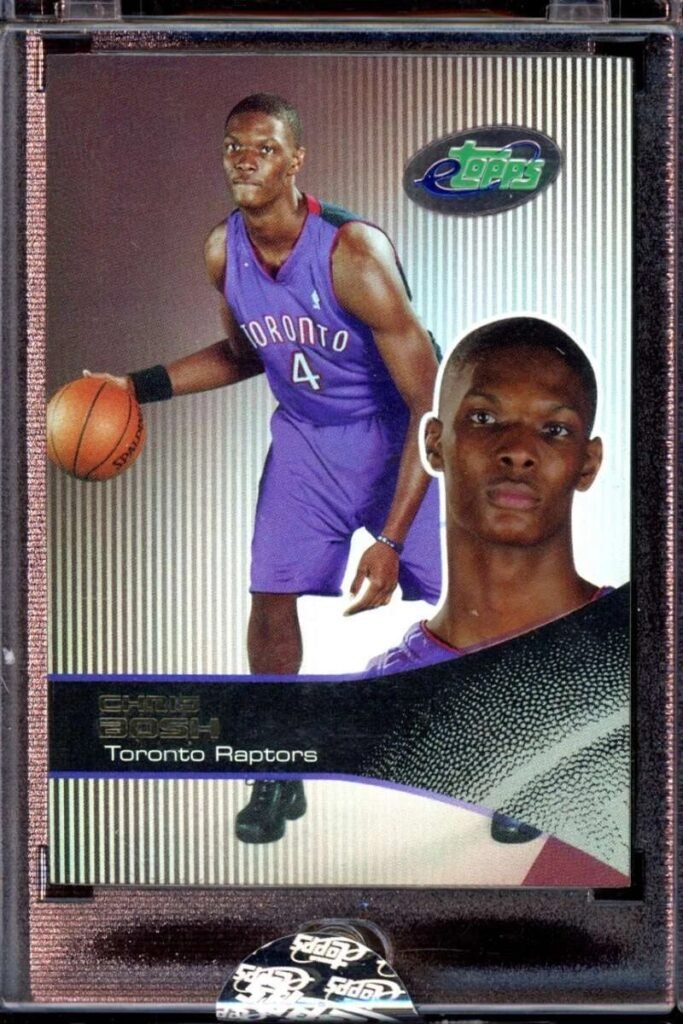
One of the most appealing aspects was the ability to “redeem” your cards. At any point, you can ask that Topps physically ship you your stored cards. They would arrive in pristine condition, still sealed in their original Topps packaging, often encapsulated in a special eTopps holder. This ability transformed digital ownership into a tangible asset. It bridged the gap between the virtual and physical worlds. This addressed a key concern for many traditional collectors.
For a time, it seemed like eTopps had struck gold. They created a platform that tackled many of the pain points of traditional collecting. It also embraced the power of the internet.
Cracks in the Foundation: The Seeds of Doubt
Despite its early success, subtle cracks began to in the eTopps foundation. One of the primary criticisms revolved around the perceived lack of “feel” for the cards. For many traditional collectors, the tactile experience of opening a pack is essential. Holding a card and examining its details are integral parts of the hobby. With eTopps, that physical interaction was largely absent until redemption. While convenient, it removed a core element of the collecting experience for some.
Another significant issue was the cost. The concept of owning a protected, guaranteed card was appealing. But, the prices for eTopps cards were often higher than their physical counterparts. This was especially true after factoring in shipping costs for redemption. As a result, it appealed less to budget-conscious collectors. Some collectors simply preferred the thrill of finding cards in retail packs.
The secondary market, while initially robust, also started to experience challenges. As more cards were released, the early hype began to wane. As a result, some of the less popular cards became difficult to move. The liquidity that was once a major selling point began to diminish for certain segments of the market.
The most significant long-term problem was the fundamental shift in collector behavior. While some embraced the digital future, a large segment of the hobby remained deeply entrenched in the physical world. The joy of finding a rare card in a pack was unique. The camaraderie of trading with friends was hard to match. The satisfaction of building a physical collection was difficult to replicate digitally.
The Slow Decline and Inevitable Fall of eTopps
The decline of eTopps was slow and resulted from these factors. It was further exacerbated by broader market trends. The situation was worsened by the company’s own strategic decisions. As the initial novelty wore off, so did the rapid influx of new users. The platform struggled to keep the same level of excitement and engagement.
Topps made efforts to revitalize the platform, introducing new features and promotions, but it was fighting an uphill battle. The competitive landscape was also evolving, with other online retailers and marketplaces offering more diverse options for collectors.
Ultimately, the decision was made to shut down eTopps. In 2011, Topps announced that the platform would cease operations, encouraging collectors to redeem their remaining digital cards. It was a somber moment for those who had invested their time and money into the concept. The closure was a stark reminder. Even the most innovative ideas can fail. They don’t succeed if they don’t resonate with the core values and desires of their target audience.
Lessons Learned: A Cautionary Tale
The story of eTopps serves as a cautionary tale for any industry looking to revolutionize established practices. While innovation is crucial, it must be balanced with an understanding of what truly drives consumer behavior and passion.
For the sports card hobby, eTopps highlighted the enduring importance of tangibility and the physical experience. Digital elements have certainly become a part of modern collecting. Think of NFTs and online marketplaces. Nonetheless, they have largely complemented the physical card rather than replaced it.
eTopps was a bold experiment, a glimpse into a potential future that didn’t quite materialize as envisioned. It showcased the power of the internet to connect collectors and create new markets. Nevertheless, it also highlighted the inherent challenges of disrupting a hobby deeply rooted in physical objects and nostalgic experiences. eTopps left an indelible mark on the sports card world. It reminded us that even in an increasingly digital age, sometimes, there’s just no substitute. Holding a piece of history in your hands is irreplaceable.