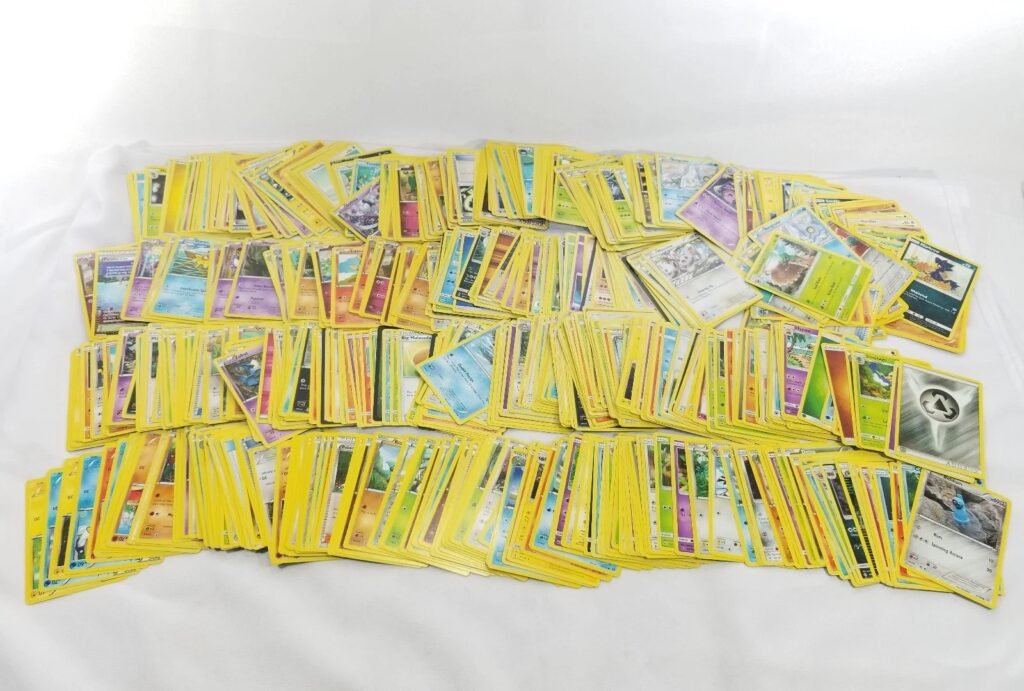
e Pokémon Trading Card Game (TCG) is one of the most recognizable and collectible card games in the world. It has captivated millions of players and collectors since its start in the mid-1990s. Its journey began as a niche promotional side-project in Japan. Over nearly three decades, Pokémon TCG evolved into a global cultural mainstay. This growth included expansions, innovations, and waves of fan enthusiasm. This comprehensive article traces the evolution of Pokémon cards. It starts with the very first promotional releases in Japan on October 15, 1996. And moves through the first English-language cards by Wizards of the Coast in January 1999. It continues beyond to subsequent key developments in the TCG’s history.
Origins: October 15, 1996, The First Pokémon Cards
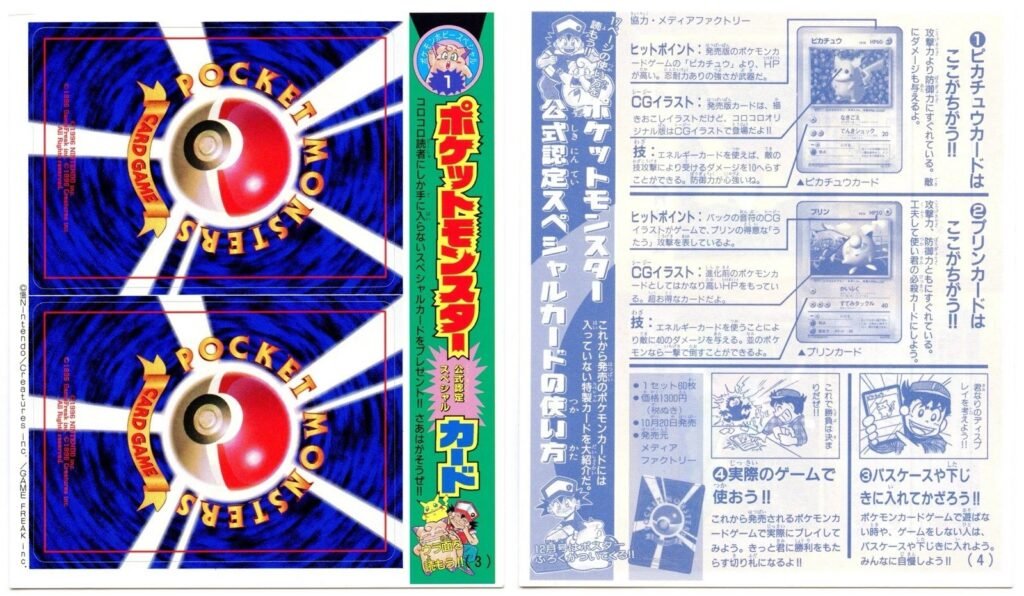
The very first Pokémon TCG cards were introduced not through traditional booster packs, but as magazine insert promotions. On October 15, 1996, the Japanese children’s magazine CoroCoro Comic included two special promotional cards. These were unnumbered and featured in its November 1996 issue. These cards were Pikachu and Jigglypuff. These glossy promos were the first physical Pokémon TCG cards ever distributed and predate the main set by five days. These promo cards were intended to generate excitement among fans of the emerging Pokémon franchise. They helped seed enthusiasm for the full game.
These early promotional cards are historically significant. For the first time, Pokémon existed in collectible card form. They vividly illustrate the role of CoroCoro Comic as a promotional platform. This platform shaped early Pokémon fandom in Japan. Enthusiasts and collectors today regard these promos as staples of any comprehensive historical collection.
October 20, 1996, Japanese Base Set and the Birth of the Pokémon TCG
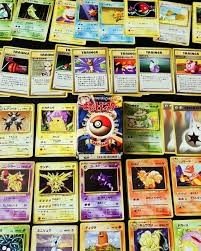
The Japanese Pocket Monsters Trading Card Game made its commercial debut on October 20, 1996. This happened just five days after the CoroCoro promo release. The debut featured the release of the first official Base Set. This release included booster packs. It also had starter decks. They featured the original roster of Pokémon from the first generation (the original 150 species). Booster packs contained randomized cards. This allowed players to build and modify their own decks. This was a core concept that would define the TCG genre.
The Base Set itself featured artwork by a variety of talented illustrators. Most notably, Keiji Kinebuchi and others contributed. It also introduced the mechanics that would guide competitive play for years to come. Card rarity symbols, Pokémon types, energy cards, and evolving mechanics were all part of this original foundation. At this early stage, the TCG was already showing its depth. It demonstrated complexity that would make it appealing both as a game and a collector’s hobby.
1997-1998 Japanese Expansions and Promotional Growth
After the first Base Set, the Pokémon TCG quickly expanded in Japan. There was a steady flow of promotional cards and expansions throughout 1997 and 1998. These included additional CoroCoro Comic promo cards for example Mew, Mewtwo, and Slowpoke. Many of these were offered as unnumbered magazine inserts or special promotional items. These releases continued to build interest in the TCG. They helped to keep engagement. The Pokémon anime, video games, and other merchandise swept across Japan.
Media Factory and other partners released special products. They also released event promos. This continued to blur the line between media promotion and collectible card distribution. These early years in Japan laid the groundwork for a robust card culture that would later be exported internationally.
January 1999, Pokémon Cards Go Global with Wizards of the Coast
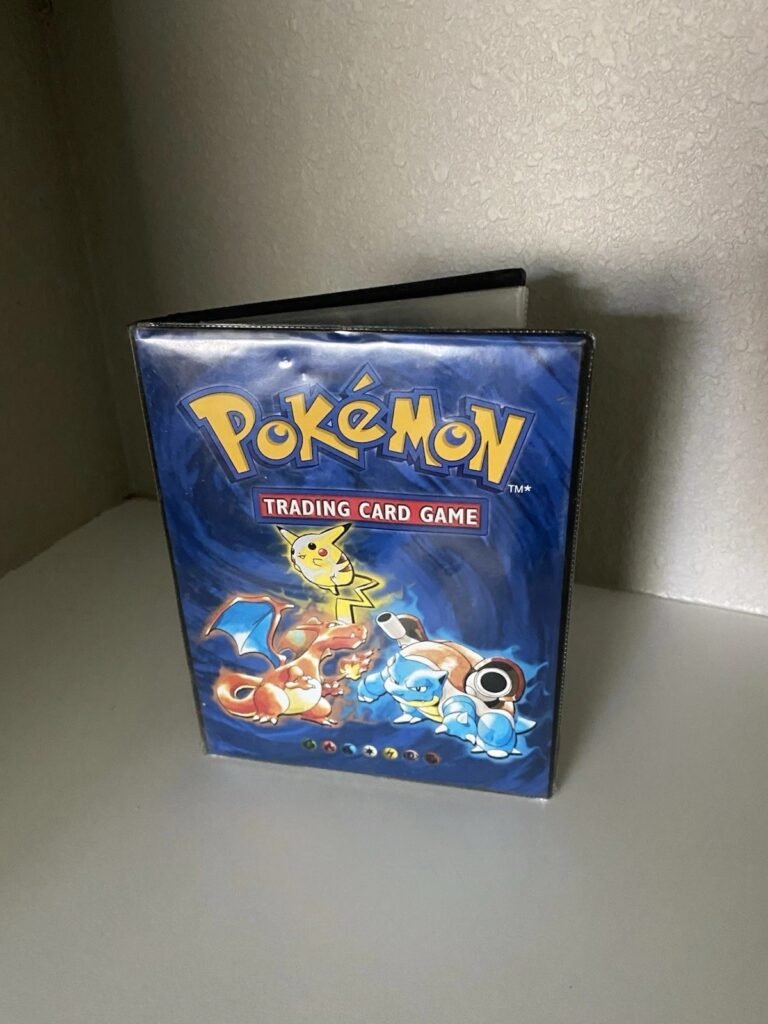
While the TCG had established strong roots in Japan, its global popularity was driven by the English-language launch. In January 1999, American publisher Wizards of the Coast released the Pokémon TCG Base Set in the United States. They were best known for Magic: The Gathering. The set was also released in other Western territories. This was the first widespread distribution of Pokémon cards in English. It was a significant event for collectors and players outside Japan.
The English Base Set was released in multiple products. These include starter decks, booster packs, and demo packs. This release introduced Western audiences to the Pokémon TCG format. The cards closely mirrored the original Japanese designs. They included translated text and subtle variations unique to the Wizards printings. These variations encompass the much-discussed “shadowless” and first edition variants. The English Base Set is now one of the most iconic and sought-after collections among vintage collectors.
Pokémon TCG Early English Expansion Era (1999–2001)
Following the English Base Set, Wizards of the Coast released a series of expansions. These expansions expanded both the card pool and competitive gameplay.
Key Expansion Sets
- Jungle (June 1999) – The first major expansion, featuring additional first-generation Pokémon including Eevee and its evolutions.
- Fossil (October 1999) – Themed around resurrected fossil Pokémon, bringing in favorites like Aerodactyl and Articuno.
- Base Set 2 (2000) – A reprint set combining cards from Base Set and Jungle.
- Team Rocket (2000) – Introducing Dark Pokémon and Team Rocket themes.
- Gym Heroes / Gym Challenge (2000) – Highlighting gym leaders and their Pokémon, adding strategy through supportive Trainer cards.
These expansions helped solidify the core competitive meta. They expanded the collector base as players sought cards from multiple sets. Players wanted to build competitive decks and comprehensive collections.
Pokémon TCG The Next Generation and Beyond (2000–2003)
The Pokémon franchise continued to evolve with the release of Gold and Silver era video games. In response, the TCG introduced sets featuring second-generation Pokémon.
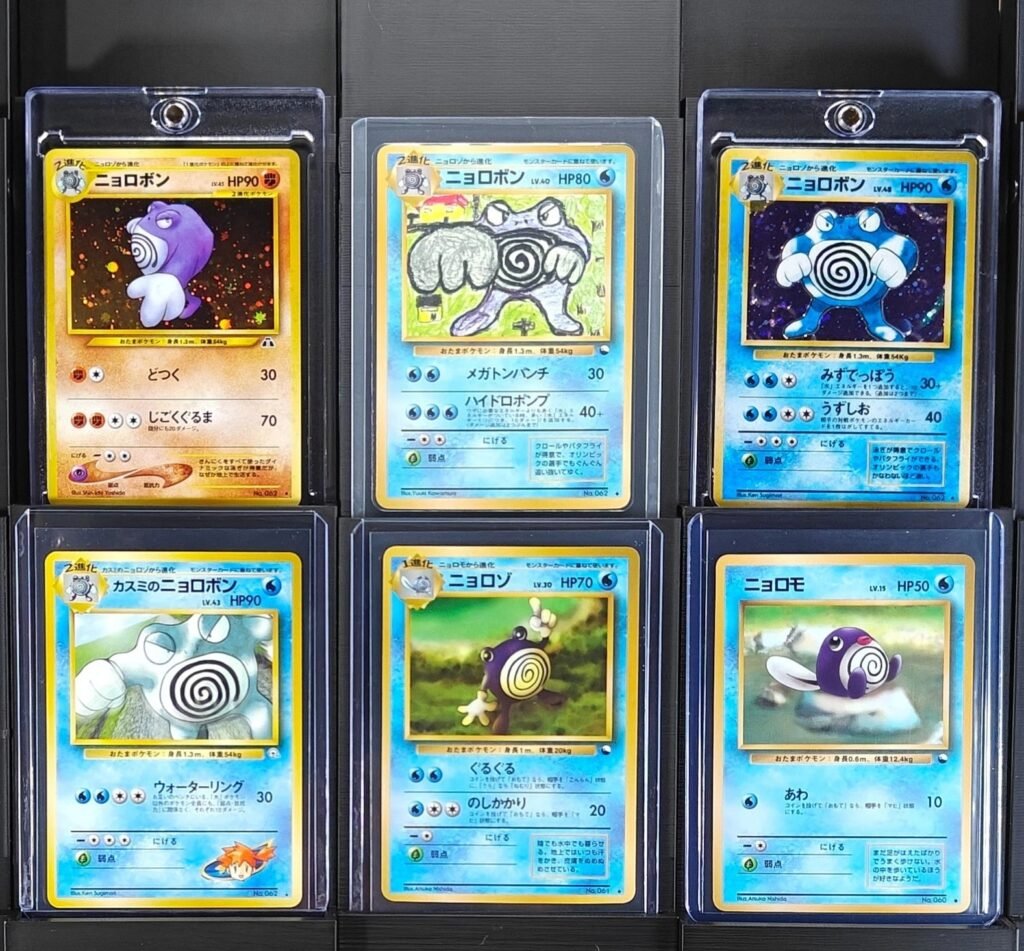
Neo Series (2000–2002)
Wizards of the Coast continued its stewardship with the Neo series, which included:
- Neo Genesis
- Neo Discovery
- Southern Islands
- Neo Revelation
- Neo Destiny
These sets brought the expanded roster of Pokémon from the Johto region into the TCG. They often introduced innovative mechanics and themes. These innovations resonated with fans of the evolving video game franchise.
Legendary and e-Reader Era (2002–2003)
Toward the end of Wizards’ tenure, sets like Legendary Collection were released. The e-Reader compatible Expedition Base Set, Aquapolis, and Skyridge continued to mix nostalgia with technological crossover appeal.
Transition and The Pokémon Company Era (Post-2003)
In mid-2003, The Pokémon Company assumed direct control over the TCG’s production and distribution outside Japan. Under Pokémon USA and later The Pokémon Company International, the TCG entered a new era. It was marked by regular expansions tied to new generations of Pokémon video games. The era also included thematic innovations.
Generation Series (EX, Diamond & Pearl, Black & White, XY, Sun & Moon, Sword & Shield, Scarlet & Violet)

From 2003 onward, the Pokémon TCG released expansions aligned with video game generations:
- EX Series – introducing “EX” cards that offered powerful gameplay mechanics.
- Diamond & Pearl Series – integrating fourth-generation Pokémon.
- Black & White Series – continuing mechanics evolution.
- XY Series – adding Mega Evolution.
- Sun & Moon Series – introducing GX cards.
- Sword & Shield Series – integrating V and VMAX cards.
- Scarlet & Violet Series – the most recent era introducing Tera Pokémon ex and new mechanics.
Within each of these series, dozens of expansions were released, offering new gameplay mechanics, artwork styles, and compelling collectible elements. This consistent innovation has kept the TCG fresh for players and collectors alike.
Pokémon TCG Today: A Global Community and Competitive Scene
Today, the Pokémon TCG remains a central part of Pokémon culture. It features an organized play system. There are international tournaments. Additionally, there is a vibrant secondary market for rare and vintage cards. Historic cards like the CoroCoro promos and early English Base Set staples are among the most coveted collectibles. Modern expansions continue to drive community engagement.
The transformation from magazine insert promos to a global competitive card game is remarkable. It highlights the enduring appeal of Pokémon as a franchise. It also shows the adaptability of trading card gaming as a hobby. The Pokémon TCG attracts players’ and collectors’ attention through nostalgia for first edition cards. It also engages them with the cutting-edge meta of current expansions. It continues to captivate successive generations around the world.
Conclusion
The history of Pokémon cards is more than just a list of sets and dates. It is a narrative of cultural growth and community building. It also signifies the marriage of gameplay and collectibility. The TCG has grown into a multi-faceted phenomenon. It started from the earliest promos tucked into the pages of CoroCoro Comic. It now includes contemporary expansions that show the latest in Pokémon game design. The TCG holds enduring significance in the world of gaming and collecting.
Build your own collection. Deepen your appreciation of the Pokémon TCG’s history. Through these actions, you connect to a global legacy. This legacy began with a humble magazine insert. It evolved into one of the most beloved trading card games of all time.