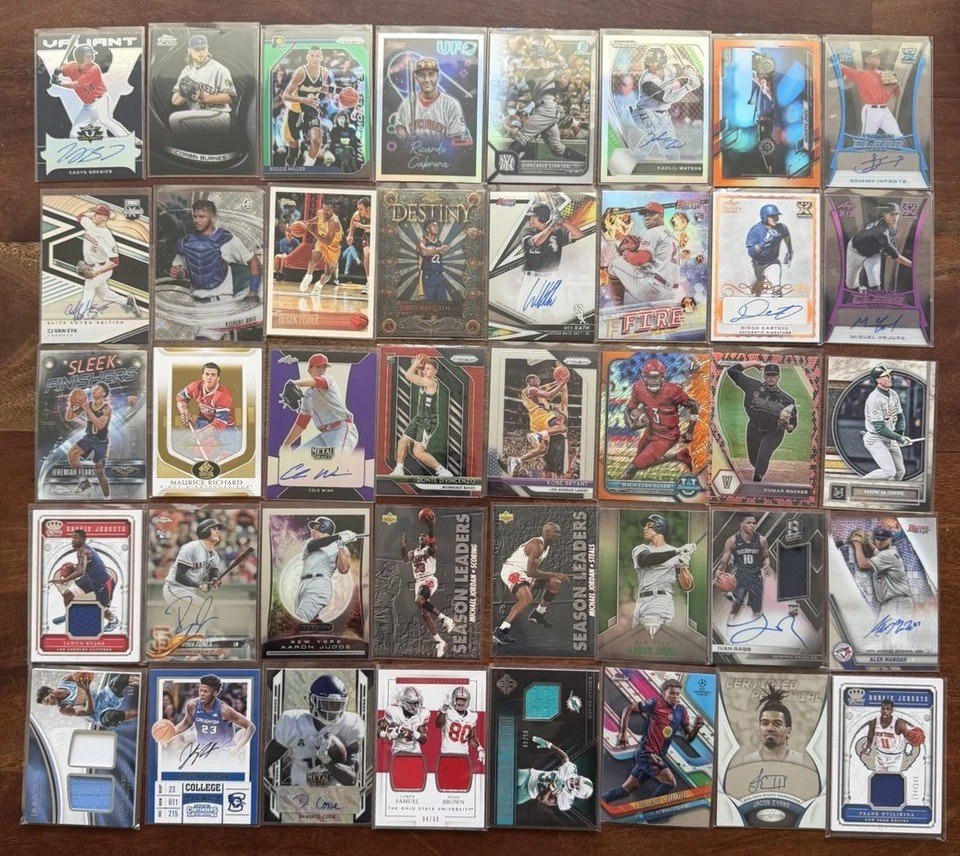
The value of an athlete trading card is shaped by a surprisingly complex mix of economics, culture, and storytelling. While scarcity; such as limited print runs, is a major driver, it is only one part of a broader ecosystem that determines why some sports cards sell for thousands (or even millions) while others remain relatively inexpensive. To understand the hierarchy of value, it helps to look at the underlying forces that collectors, investors, and fans all respond to.
Disclaimer:
The information provided in this post is for informational and educational purposes only. It does not constitute financial advice, investment guidance, or an endorsement of any company, product, or service. The trading card market is inherently speculative and subject to rapid changes in value and demand.
Collectors and investors should conduct their own independent research, verify all claims made by third party sellers, and assess risks before making any purchasing or investment decisions. Past performance, resale value, or popularity of any product or company is not a guarantee of future results.
T. C, Trading Cards, McRae Enterprises L.L.C. or its authors assumes no responsibility or liability for any losses, damages, or outcomes resulting from the use of this information or participation in any trading card purchases, repacks, or investment activities.
1. Player Legacy and Historical Significance
At the core of any valuable card is the athlete depicted. Cards featuring transcendent figures, those who define eras or fundamentally change their sport, tend to command the highest prices.
For example, cards of Michael Jordan, Babe Ruth, or Wayne Gretzky are consistently among the most sought-after because these athletes are more than just stars, they are cultural icons. Their achievements, records, and lasting influence create enduring demand that outlives trends in the hobby.
Even among active players, perceived “all-time greatness” matters. Cards of athletes like LeBron James or Tom Brady gained value as their careers accumulated championships and accolades.
Key idea: The stronger and more enduring the legacy, the more resilient and valuable the card.
2. Rookie Card Status
The concept of the “rookie card” is one of the most powerful drivers of value. A rookie card represents the athlete’s first widely recognized appearance in a professional trading card set.
Collectors view rookie cards as the “origin point” of a career, making them the most historically significant single card for any athlete. For example, the rookie cards of Mickey Mantle or Kobe Bryant are far more valuable than their later-career cards, even when those later cards may be rarer.
This phenomenon reflects a deeper collector psychology: people value beginnings. The rookie card captures potential, anticipation, and the earliest moment of recognition.
Key idea: First appearances carry symbolic weight that outweighs many other factors.
3. Card Condition and Professional Grading
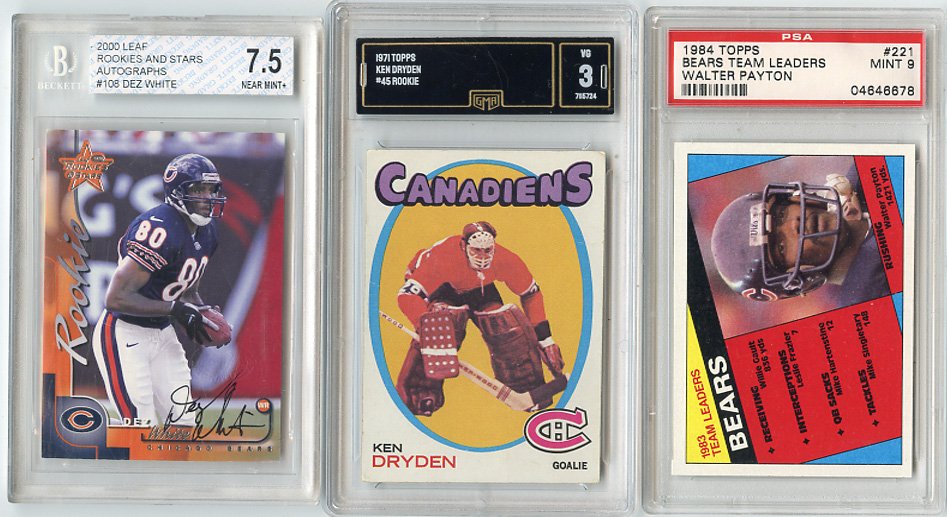
Condition is one of the most decisive and quantifiable elements in determining value. Even a rare card can lose most of its value if it is damaged, while a common card in pristine condition can become highly desirable.
Professional grading companies such as PSA and Beckett Grading Services evaluate cards on a standardized scale (typically 1–10). A card graded “Gem Mint 10” can be worth exponentially more than the same card graded a 7 or 8.
Factors affecting condition include:
- Centering (how evenly the image is printed)
- Corners (sharp vs. rounded)
- Edges (clean vs. worn)
- Surface (scratches, print defects)
Key idea: Condition creates tiers of value within the same card; sometimes dramatically so.
4. Authentic Signatures and Memorabilia
Cards that include player autographs or embedded game-used materials (jersey patches, bats, etc.) often carry a premium.
Autographed cards are especially valuable when:
- The signature is authenticated
- It is “on-card” (signed directly on the card rather than a sticker)
- The athlete is difficult to obtain signatures from
Similarly, “relic” cards that contain pieces of game-used items can connect collectors physically to the athlete’s career. A jersey patch card from Derek Jeter or Patrick Mahomes may carry emotional and historical appeal beyond a standard card.
Key idea: Tangible connections to the athlete enhance both emotional and monetary value.
5. Brand, Set, and Manufacturer Prestige
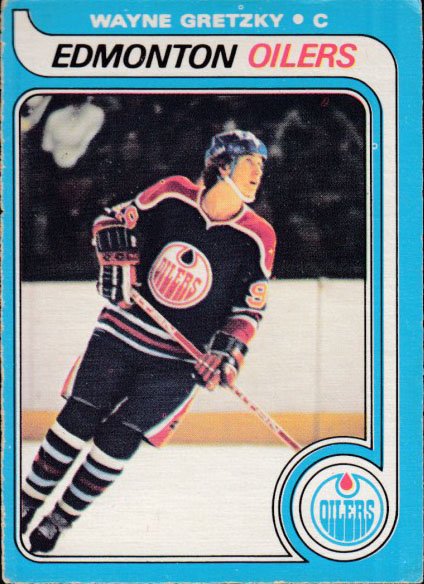

O-Pee-Chee cards generally sell at a 5% to 50% increase to Topps
Not all trading cards are created equal. The reputation of the card manufacturer and the specific set matters significantly.
Brands like Topps, Panini, and Upper Deck produce multiple product lines, ranging from mass-market to high-end collector editions.
Certain sets become iconic over time. For example:
- The 1952 Topps baseball set is legendary
- Upper Deck’s early 1990s releases redefined premium card quality
Collectors often gravitate toward historically significant or aesthetically appealing sets.
Key idea: The “brand story” of a card influences how collectors perceive its importance.
6. Market Demand and Cultural Relevance
Card values are ultimately driven by demand, which can fluctuate based on cultural trends, media exposure, and fan engagement.
For instance:
- A player who performs exceptionally in the playoffs may see a sudden spike in card value
- A documentary or media resurgence can revive interest in retired players
- Social media and online marketplaces amplify hype cycles
The surge in popularity of basketball cards during the rise of Stephen Curry is a good example of how cultural relevance can drive demand.
Key idea: Value is dynamic and influenced by collective attention as much as intrinsic qualities.
7. Population Reports and Scarcity Within Condition
Even when a card is not rare overall, it may be rare in high-grade condition. This is where “population reports” from grading companies come into play.
For example, if only a handful of cards exist in PSA 10 condition, collectors may compete intensely for those few examples, even if thousands of lower-grade versions exist.
This creates a layered scarcity:
- Total number printed
- Number surviving
- Number in top condition
Key idea: Rarity is not just about quantity; it’s about quality distribution.
8. Era of Production
The time period in which a card was produced has a major impact on its value.
- Pre-1980s cards: Often scarce due to lower production and survival rates
- Late 1980s–1990s (“junk wax era”): Mass overproduction reduces value
- Modern era: Controlled print runs and serial numbering reintroduce scarcity
A vintage card from the early 20th century may be valuable simply because so few remain in good condition, whereas a 1990 card might be nearly worthless despite being decades old.
Key idea: Historical production context shapes long-term value.
9. Aesthetic Appeal and Design
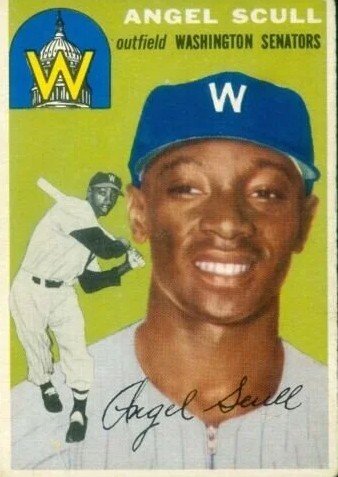
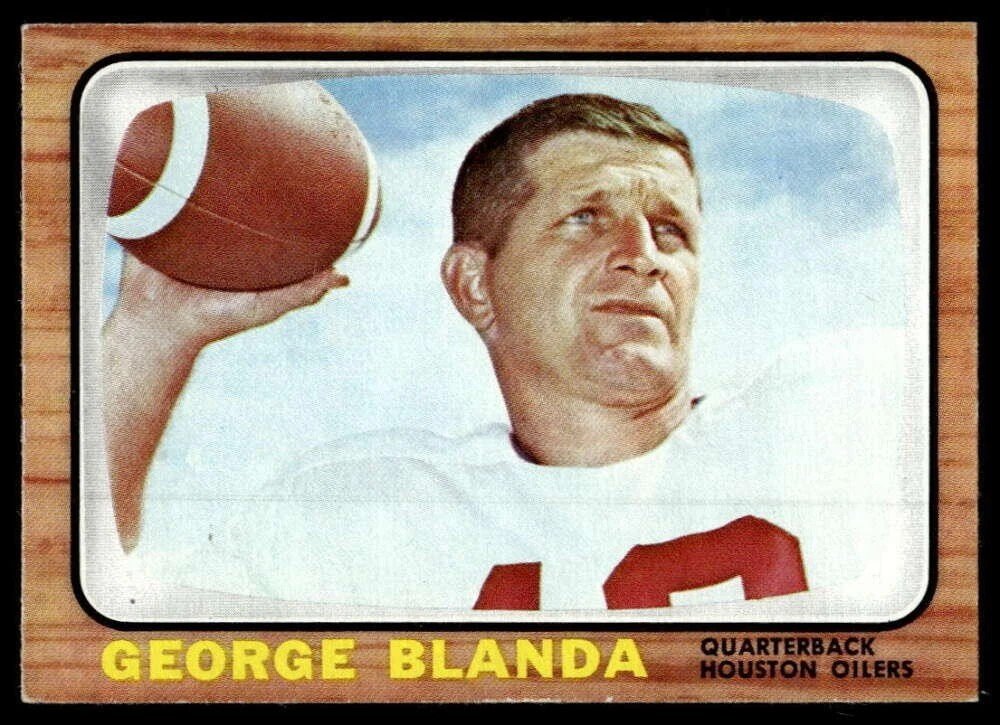

Visual design is often underestimated but plays a meaningful role in desirability. Cards with striking photography, unique layouts, or innovative materials can attract collectors even beyond traditional metrics.
Certain designs become iconic because they capture the athlete in a memorable moment or represent a distinct artistic era.
Key idea: Beauty and design can elevate a card from collectible to iconic.
10. Narrative and Storytelling
Perhaps the most subtle factor is narrative. Cards tied to compelling stories, comebacks, controversies, historic moments, often gain additional value.
For example:
- A card issued during a record-breaking season
- A limited release tied to a championship year
- A card of a player whose career was tragically cut short
Collectors are not just buying cardboard; they are buying stories. The stronger and more emotionally resonant the story, the more valuable the card can become.
Key idea: Narrative transforms an object into a piece of history.
11. Authentication and Provenance
Beyond grading, authentication ensures that a card is genuine and untampered with. Provenance, the documented history of ownership, can also add value, especially for high-end cards.
A card from the Dmitri Young Collection or featured in a major auction can carry added prestige.
Key idea: Trust and traceability reinforce value at the highest levels of the market.
Conclusion
While limited print runs and rarity are essential components of value, they operate within a much larger framework. The most valuable athlete trading cards sit at the intersection of:
- Historical significance
- Player legacy
- Condition and grading
- Cultural relevance
- Emotional and narrative appeal
A card’s worth is ultimately determined not just by how many exist, but by how many people care, and how deeply they care, about what it represents.
Understanding these layered factors allows collectors to move beyond simple scarcity and begin to see trading cards as artifacts of sports history, culture, and identity.